
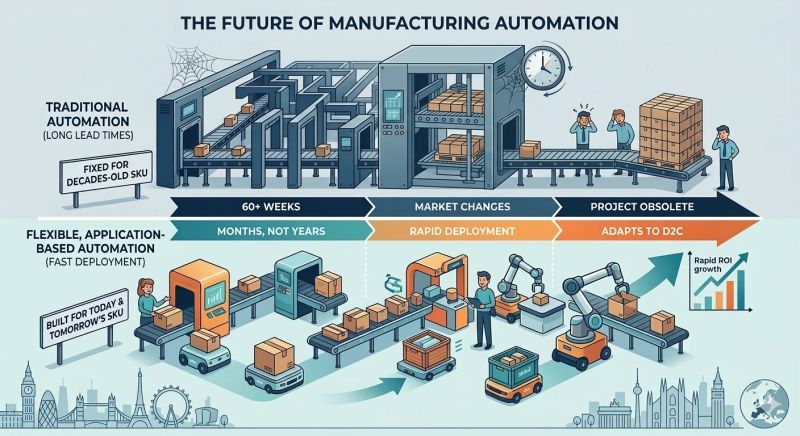
In today’s fast-paced manufacturing environment, efficiency and flexibility are more important than ever. As production demands grow more complex, many companies are moving beyond manual planning methods and exploring digital solutions like Manufacturing Planning and Scheduling (MAPS)
But what exactly is the difference between MAPS and traditional manufacturing planning — and why does it matter?
What is Traditional Manufacturing Planning?
Traditional manufacturing planning typically relies on manual tools such as spreadsheets, whiteboards, or basic scheduling systems. Production plans are often created based on experience and updated periodically.
While this approach may work in stable environments, it has limitations. When unexpected changes occur — such as machine breakdowns, material shortages, or urgent orders — schedules must be adjusted manually. This process can be time-consuming and prone to errors, often resulting in delays or inefficiencies.
As production complexity increases, these limitations become more significant.
What is MAPS (Manufacturing Planning and Scheduling)?
MAPS is a digital solution designed to plan, schedule, and monitor production activities in real time, and helps manufacturers manage complex operations with greater visibility and control.
Unlike traditional methods, MAPS connects scheduling with real-time shop floor data. It allows users to track job progress, monitor machine utilization, and adjust schedules dynamically based on actual conditions.
This enables manufacturers to move from reactive planning to a more proactive, data-driven approach.
Key Differences Between MAPS and Traditional Manufacturing
- Real-Time Visibility vs Static Scheduling
One of the biggest differences lies in visibility. Traditional scheduling provides a fixed plan that may not reflect real-time shop floor conditions. As changes occur, the plan quickly becomes outdated.
MAPS, on the other hand, offers real-time visibility into production. Managers can see work-in-progress, identify bottlenecks early, and make informed decisions based on current data.
This improved visibility helps reduce delays and improves on-time delivery performance.
- Flexible Scheduling vs Manual Adjustments
In traditional environments, even minor disruptions can require significant manual effort to reschedule tasks. This often slows down operations and increases the risk of errors.
MAPS enables dynamic scheduling. It automatically considers factors such as machine availability, job priorities, and production constraints when adjusting plans. This allows manufacturers to respond quickly to changes without disrupting the entire workflow.
- Integrated System vs Siloed Processes
Traditional manufacturing planning often operates in silos, where scheduling, inventory, and purchasing are managed separately. This can lead to misalignment and communication gaps.
MAPS integrates these functions into a single system. By connecting production planning with inventory and resource data, it ensures that decisions are based on accurate and consistent information across the organization.
- Data-Driven Decisions vs Experience-Based Planning
Traditional planning relies heavily on experience and historical data. While valuable, it may not always reflect current production conditions.
MAPS enhances decision-making with real-time data and visual dashboards. This allows production teams to analyze performance, anticipate issues, and optimize scheduling more effectively.
Driving Smarter Manufacturing with MAPS
Adopting MAPS is more than just a technology upgrade — it represents a fundamental shift in how production is planned and managed.
By automating scheduling processes, it reduces the need for manual intervention, allowing teams to focus on higher-value activities instead of constantly adjusting spreadsheets. At the same time, resource utilisation improves as machine capacity, labor, and production priorities are better aligned.
With access to real-time data and enhanced planning capabilities, manufacturers can respond faster to changes on the shop floor. This leads to shorter lead times, fewer bottlenecks, and improved overall productivity. As a result, delivery performance becomes more consistent, contributing to higher customer satisfaction.
More importantly, this approach moves manufacturing away from static, reactive planning toward a more dynamic and connected way of operating. Instead of relying on outdated schedules, production teams can make decisions based on current conditions, supported by real-time visibility and integrated data.
For manufacturers looking to stay competitive in an increasingly complex environment, it offers a practical path toward smarter, more agile operations.
If you’re exploring how to improve your production planning and scheduling, the team at IME is ready to help. Get in touch to learn how MAPS can be tailored to your manufacturing needs.

Recent Comments